Insights
Discover our collection of blogs, articles, and papers on leadership, sales, organizational culture, and Human Resources. Drawing on our own executive experience and years of advising clients, we combine real-world insight with academic rigor. Every piece is rooted in research and tested in practice—so you’ll find ideas that are credible, actionable, and built to last. Happy reading!

Schlechte Psychotherapeuten, unqualifizierte Coaches und mittelmässige Trainer mit KI ersetzen! Heilmittel oder Irrweg?
Ein bekannter britischer Coach hat eine App entwickelt und bewirbt nun diesen KI‑Coach u. a. hier auf LinkedIn, der nach „seinen Prinzipien“ coacht. Er schreibt, dass KI‑Coaching besser sei als menschliches.
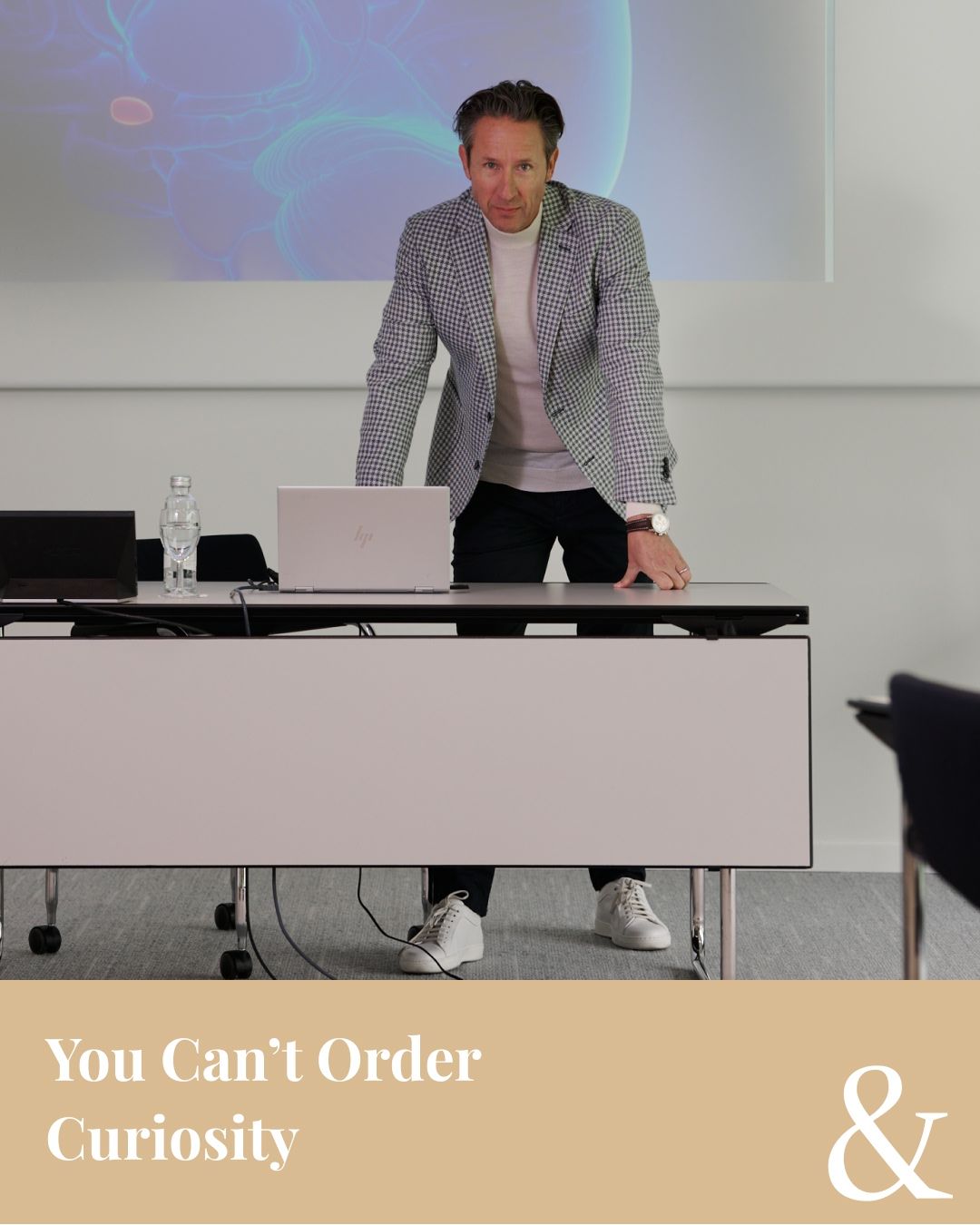
You Can't Order Curiosity
Most organizations are still run like it’s the industrial age.
Built for efficiency. Controlled for predictability.
But curiosity—the one capability that fuels innovation in an age of AI—doesn’t live in those systems. It dies there. 20th century management models were created for a stable world, where the challenge was to make people do the same thing every day—efficiently and at consistent quality.
Today’s world looks profoundly different. We face exponential change—technological, economic, societal. Adapting to it is not a top-down process. Boards, executives, and supervisors no longer have the answers. The answers lie where the expertise is—everywhere in the organization. They must be developed collaboratively, across hierarchies, functions, and geographic boundaries.
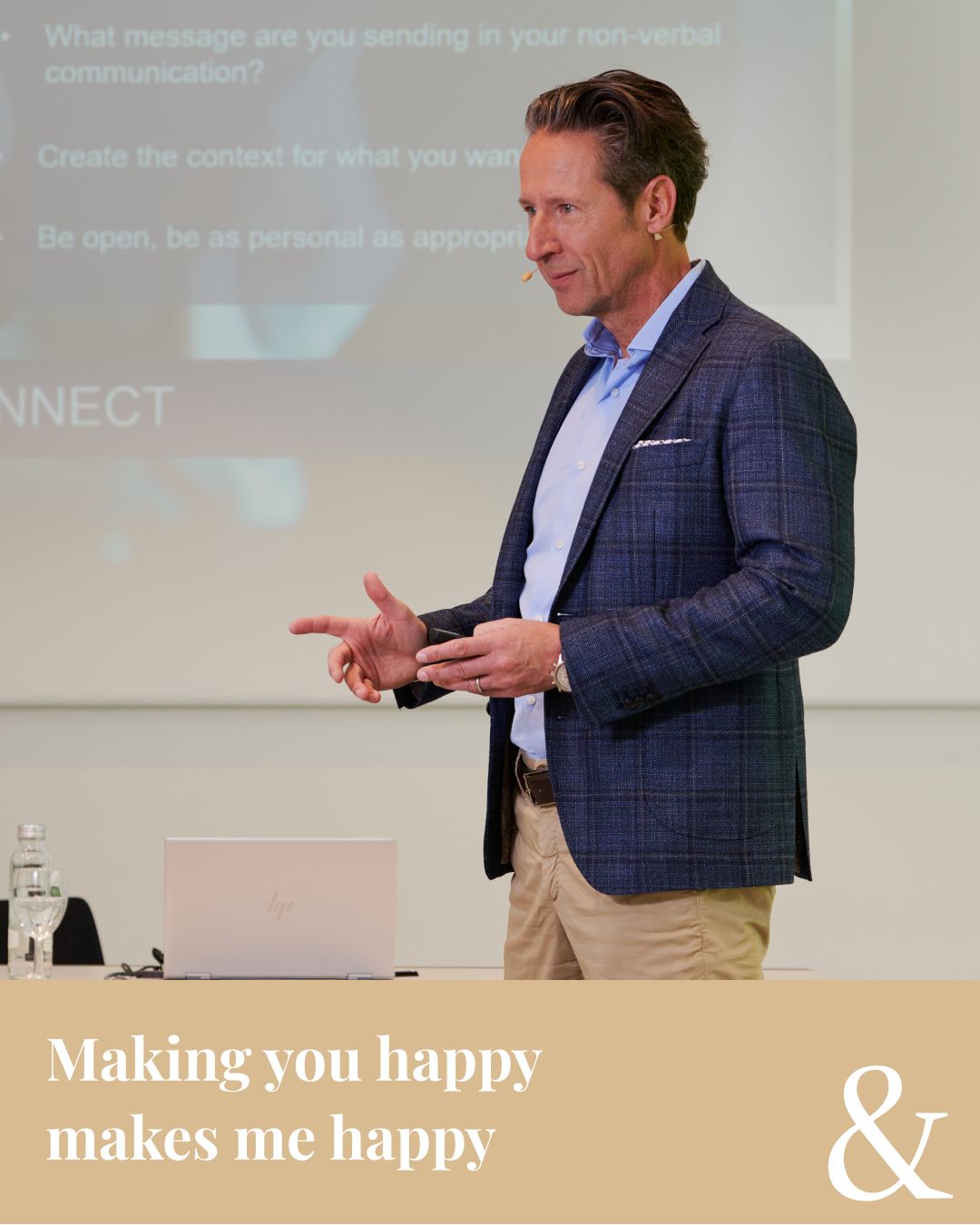
Making you happy makes me happy
We’re told that success comes from putting ourselves first. But what if the exact opposite is true?
It sometimes feels like the world is becoming more selfish. Egomaniacs dominate politics, social media rewards self-inflation, and too many CEOs act like emperors rather than employees. The prevailing narrative tells us to abandon solidarity and chase only personal advantage.
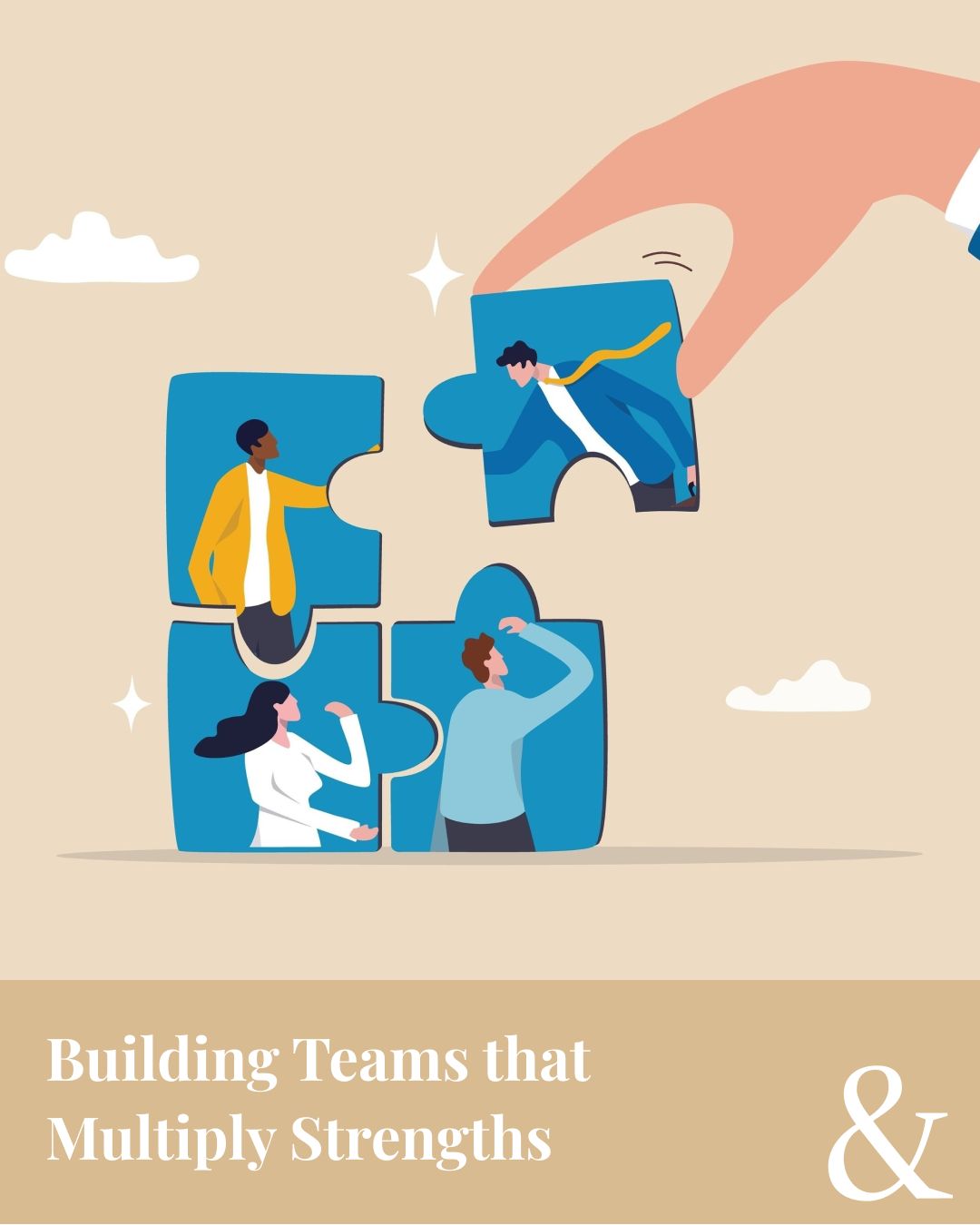
Building Teams that Multiply Strengths
In one of my earlier posts, I have discussed the power of bringing out strengths in others as a critical leadership skill. But strengths don’t live in isolation. A strength that shines in one person can stay without impact if it’s not connected to others.
The real multiplier effect happens not just when individuals flourish, but when their strengths interact.
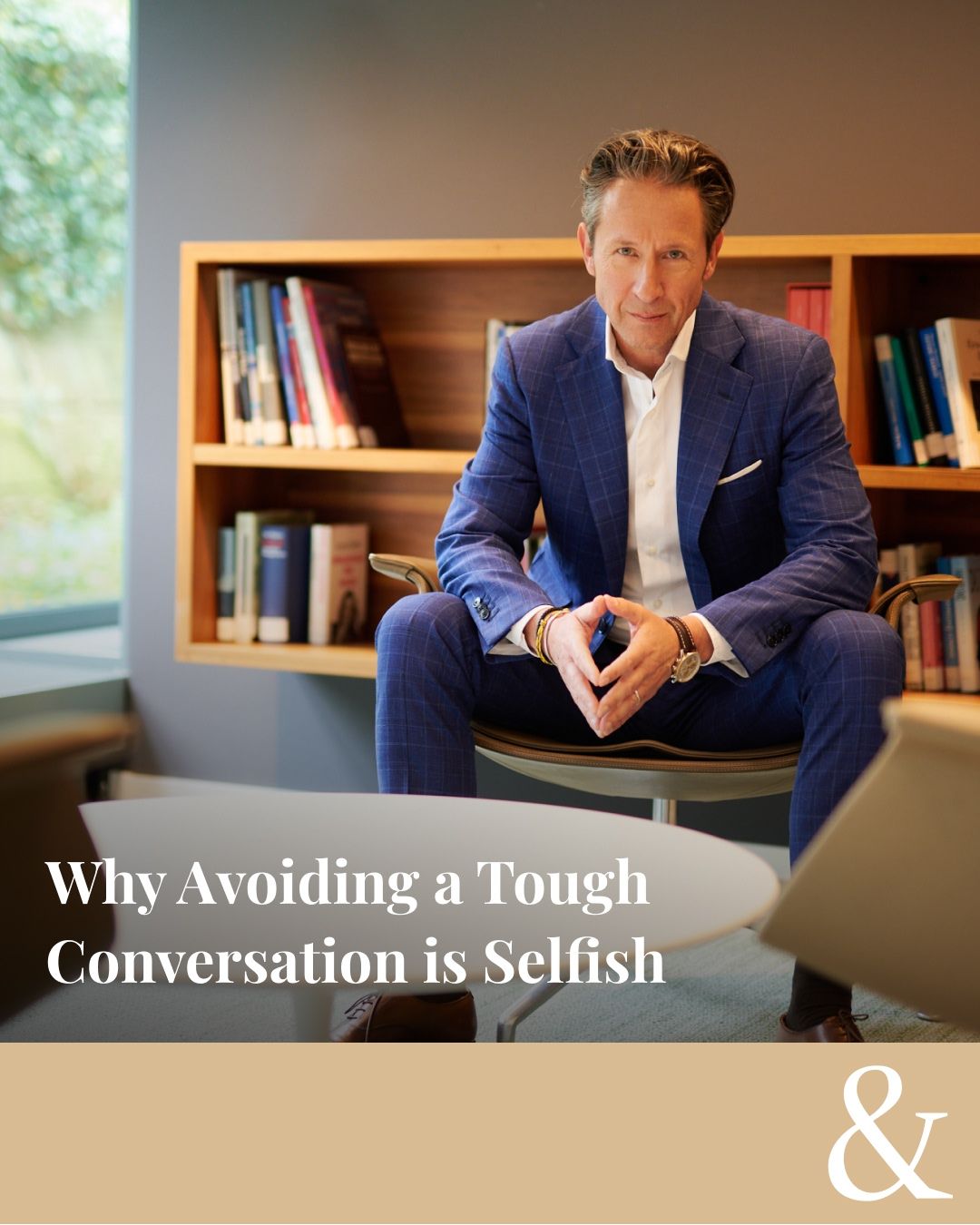
Why Avoiding a Tough Conversation is Selfish
We all know it, we all hate it: confronting our top performer about her lack of team playing. Informing the solid pair of hands that he will – again – not be promoted. Telling a struggling team member that it is time to think about an alternative career path.
We hate these conversations because we know how it feels to be at the receiving end of the difficult messages: shock, disappointment, even fear. Our ability for empathy makes us hurt as well. Research shows that, unless we’re outright psychopaths, we try to avoid inflicting pain on others as much as we try to avoid experiencing pain ourselves.
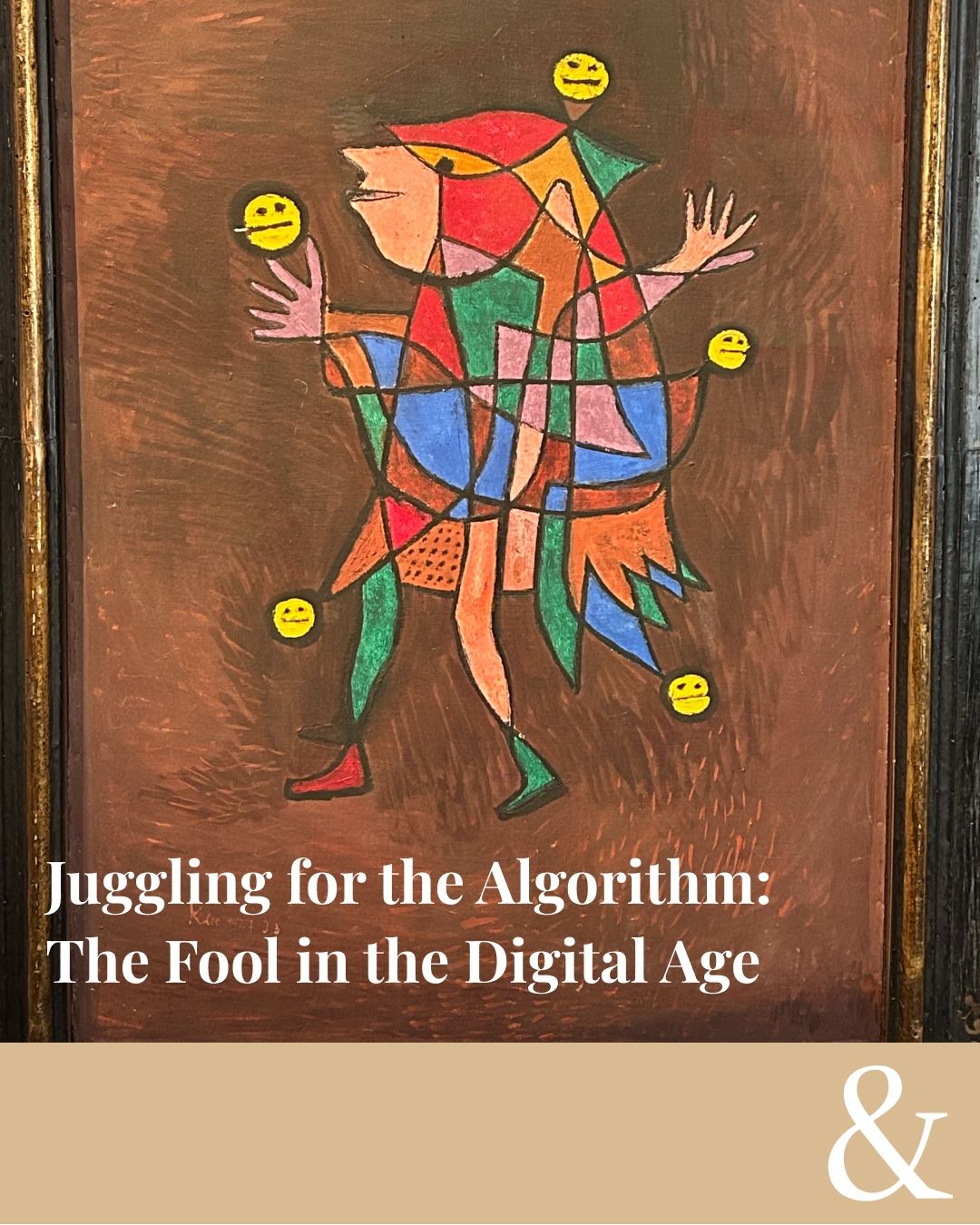
Juggling for the Algorithm: The Fool in the Digital Age
Did Paul Klee, in 1927, capture something essential about life in the digital age?
In this painting he portrays “The Fool”, a figurine in the typical colorful outfit, seemingly juggling with five yellow balls.
When I saw this painting at the Albertina Museum in Vienna last week, I smiled. It made me think of how much our daily performance online resembles his act. Juggling five balls requires skill.
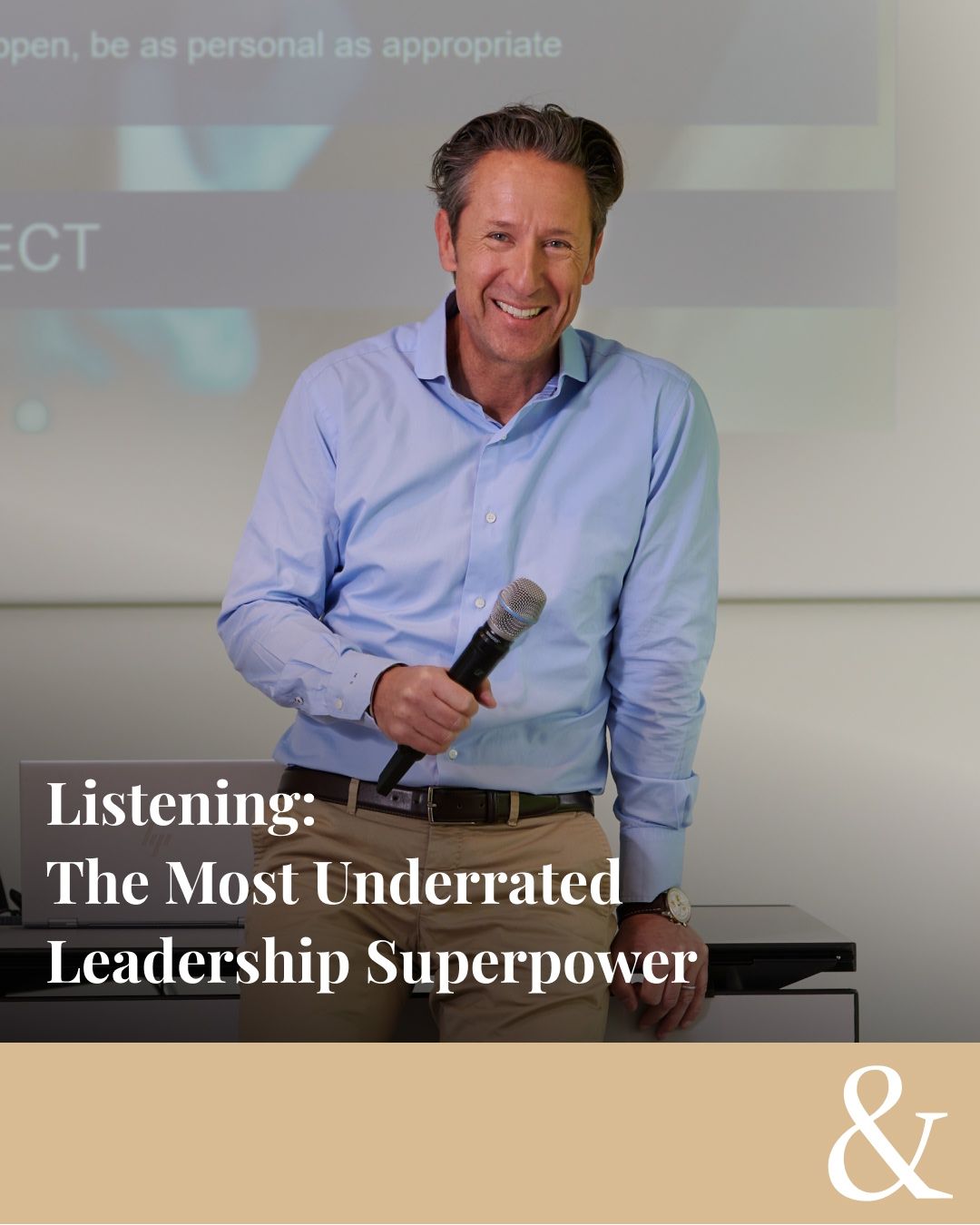
Listening: The Most Underrated Leadership Superpower
Listening looks simple. It’s not.
We nod, wait our turn to speak, offer polite affirmations - but real listening is rare. Most of us assume we’re good at it, even when our actions say otherwise. We interrupt or zone out. We hear what we want and ignore the rest. Meanwhile, leadership programs focus on how to speak with charisma, not how to listen strategically and with intent. We heroize the talkers, not the listeners.
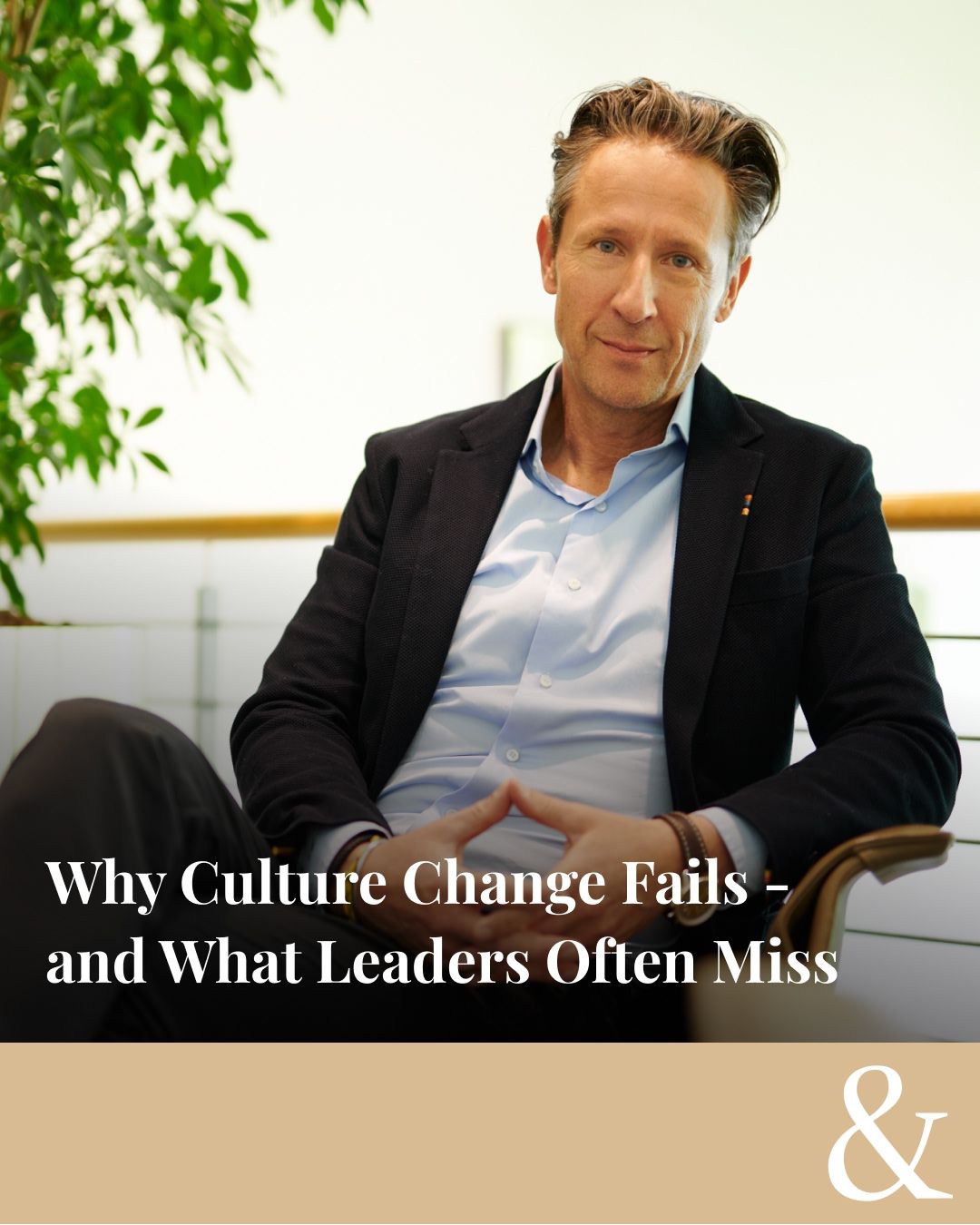
Why Culture Change Fails - and What Leaders Often Miss
Most culture change efforts fail - not because people resist change, but because leaders don’t change first.
In my work with senior leaders, I often see them frustrated about their people’s “resistance to change.” They set out to create positive transformation and unlock the hidden potential in their organizations. But soon, they feel blocked: not by lack of strategy, but by ingrained behavioral patterns embedded in the fabric of the organization's culture.
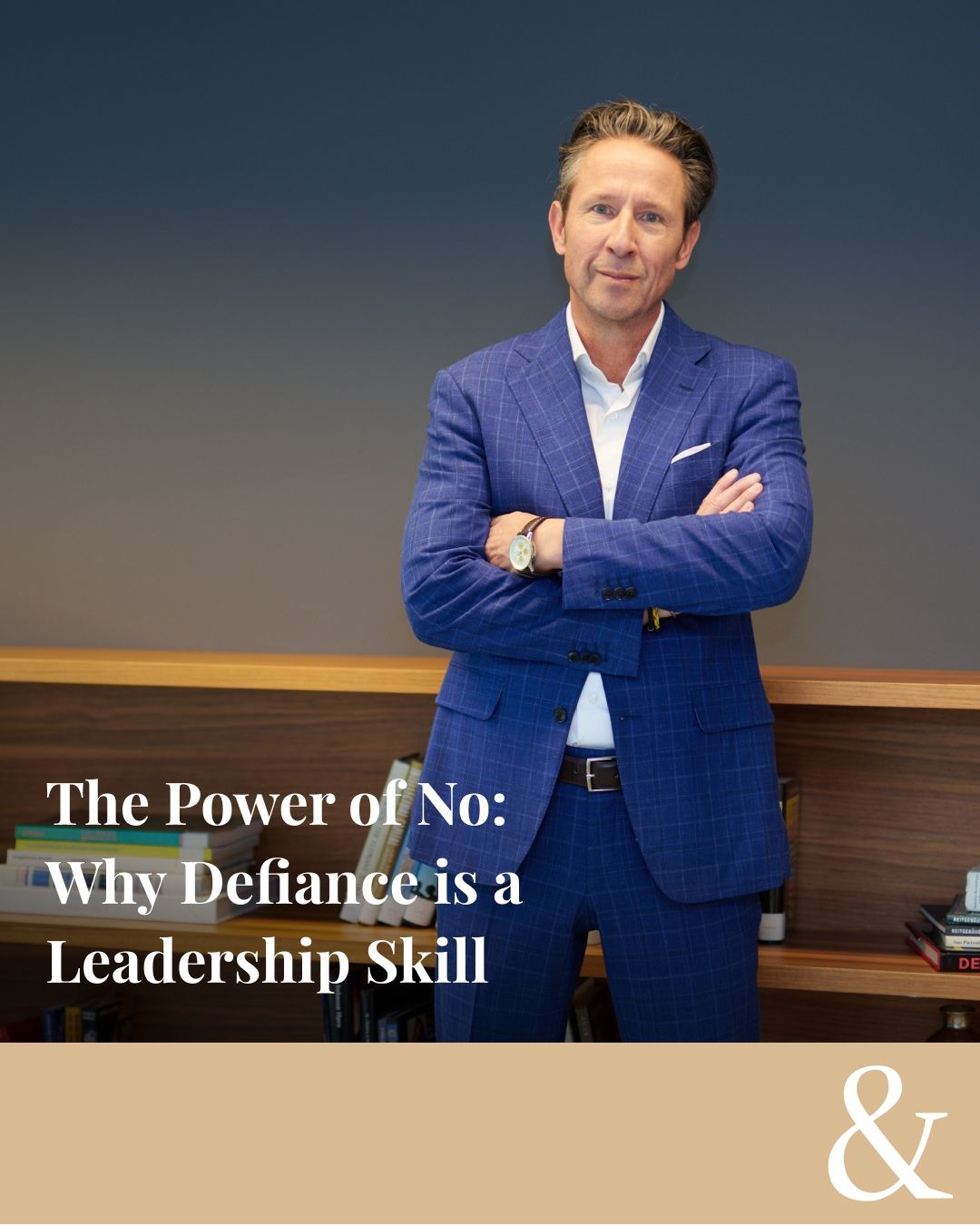
The Power of No: Why Defiance is a Leadership Skill
What happens when the room nods along, but you know it’s the wrong call?
Haven’t we all been there?You’re in a meeting, and the boss lays out a plan that, deep down, you know is misguided. Around the table, you can sense the same hesitation. You've even had side conversations with colleagues ahead of that meeting—with everyone frustrated, concerned, perhaps even dismayed about where things are heading.

Taming the Advice Monster
These days, everyone seems to be a coach of some sort.
After attending a weekend course, former managers, consultants, actors, teachers or experts rebrand as leadership coaches, performance coaches, resilience coaches, team excellence coaches—or, of course, AI coaches.
This coaching wave appears to serve a dual purpose. On one hand, it caters to the desire of experienced professionals to "finally do something meaningful" by helping other people grow. On the other, it feeds our collective appetite for highly customized support on trend-driven journeys of self-optimization.
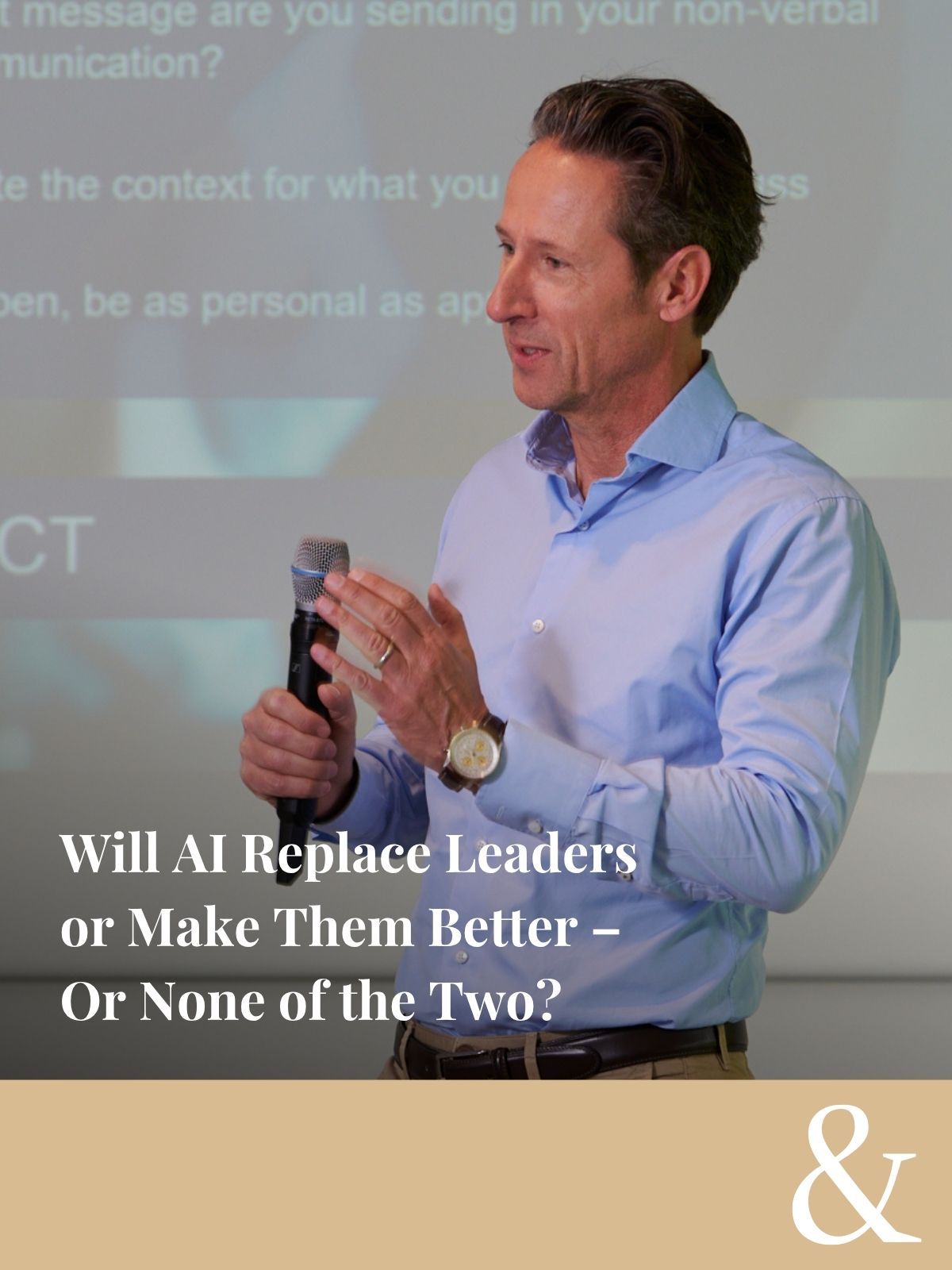
Will AI Replace Leaders or Make Them Better - Or None of the Two?
You might think we don’t need another post on AI and leadership. Fair enough.
However, as a lifelong scholar of leadership, I feel compelled to share a few thoughts in response to a growing thread here on LinkedIn - and beyond:
Some say large language models will soon be more trustworthy than human leaders: more consistent, more rational, even more emotionally attuned.
Others imagine the rise of “augmented leaders” who use AI to do a better job, for example, by constantly monitoring team sentiment so they can intervene in a timely way and lead more effectively.
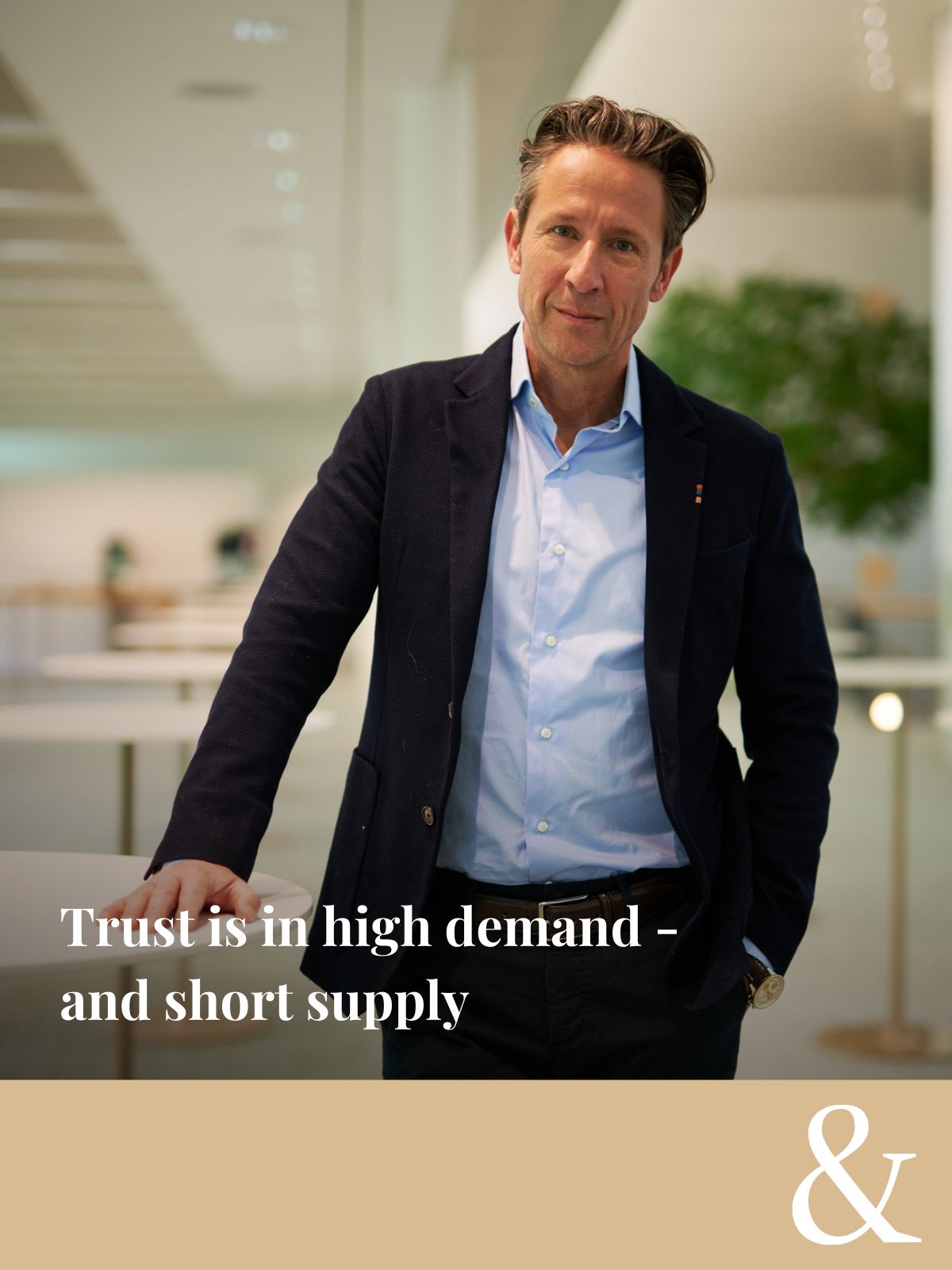
Trust is in high demand - and short supply
Companies want us to rely on their products.Media want us to believe their stories.Leaders want us to follow.
But the 2025 Edelman Trust Barometer paints a sobering picture: 68% believe business leaders deliberately mislead people, 69% feel misled by government leaders, up more than 10% since 2021.
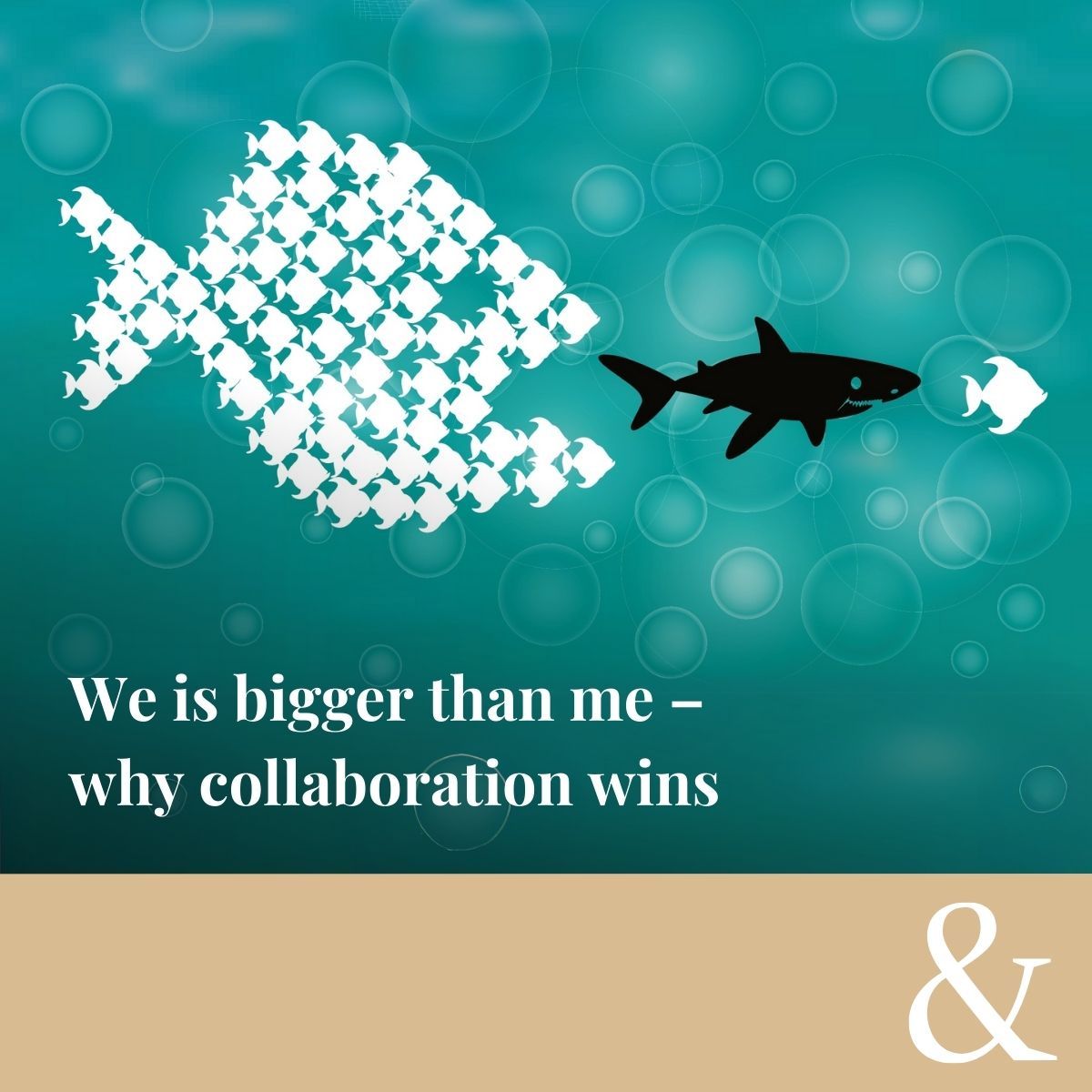
We is bigger than me - why collaboration wins
Looking at the state of world politics, you could assume that the days of collaborative leadership, based on shared values, principles and agreed rules are over. The strong seem to dominate and collaboration only happens in the form of transactional deals, with the bullies dictating the terms. Charles Darwin’s theory of the “survival of the fittest” seems to gain an increasing followership.
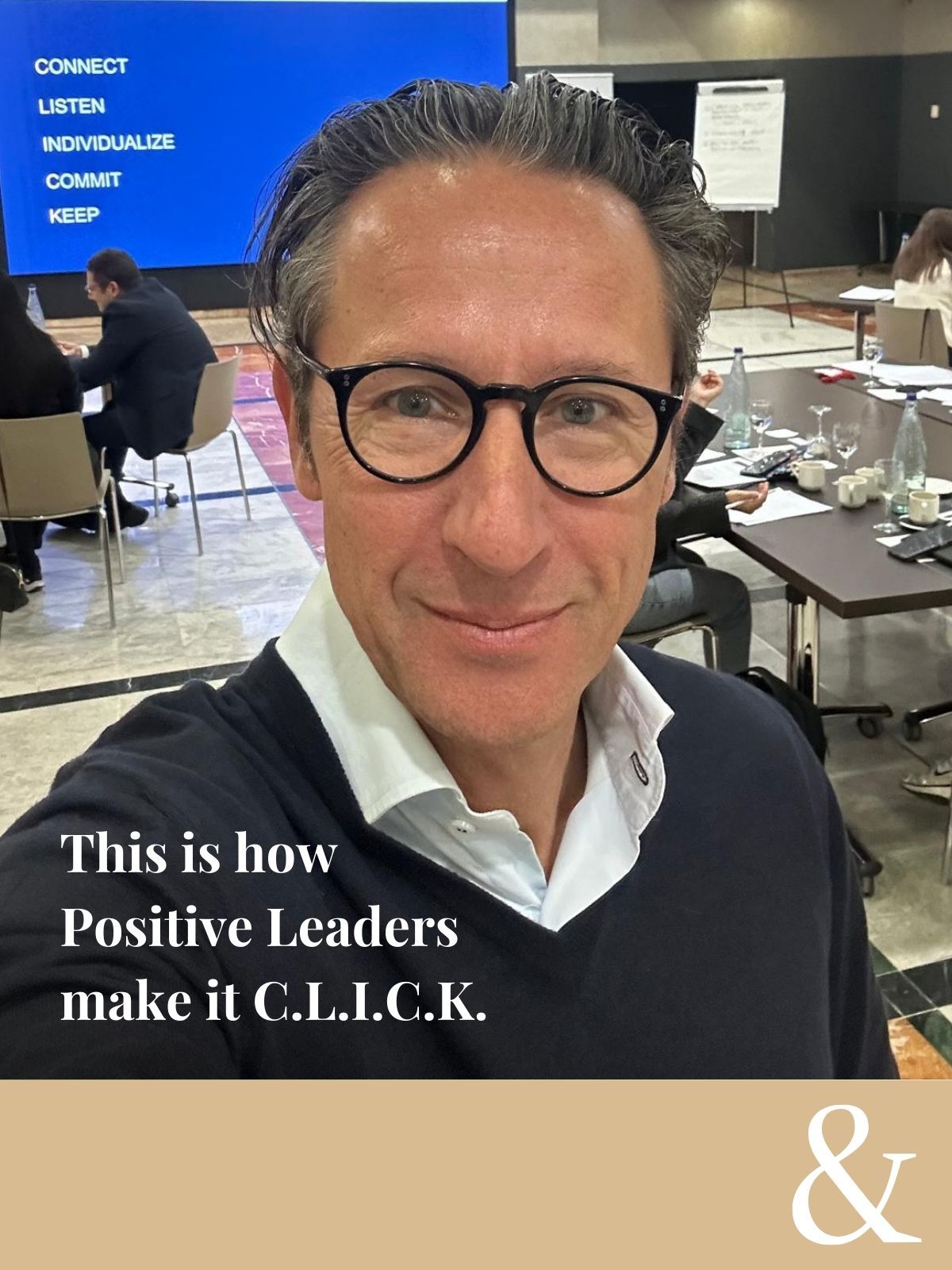
This is how Positive Leaders make it C.L.I.C.K.
As a leader, you need to truly connect with your followers to establish trust. At Talent & Leadership Solutions, we have developed The Make-it-C.L.I.C.K. Model® that helps you do exactly that, regardless of the situation you are in. Each letter of the word “click” is representative of a step that makes you build a genuine connection to your followers.
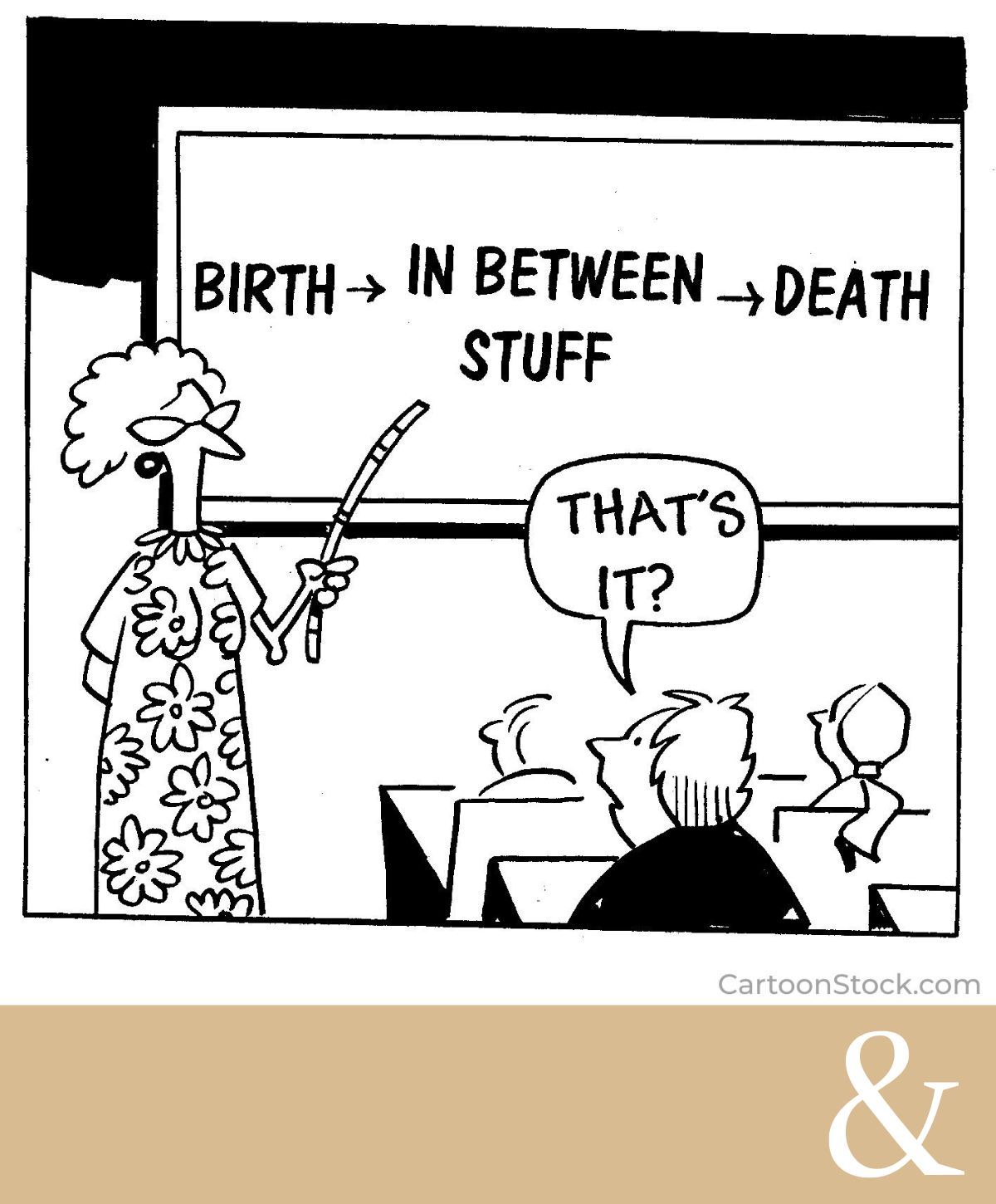
What's the meaning of life?
What is the meaning of life? It is a question that has engaged philosophers going back to the Greek giants Platon and Aristoteles and has not stopped besieging the human mind ever since. The answer is not “42” as suggested in Douglas Adams’ space satire “A Hitchhiker’s Guide to the Galaxy”. There is no generic answer. Viktor Frankl, Nazi death camp survivor and founder of Logotherapy, says: “One should not search for an abstract meaning of life. Everyone has their own specific vocation or mission.” The question about “the meaning of life” must be replaced by the question about the “meaning in life”.
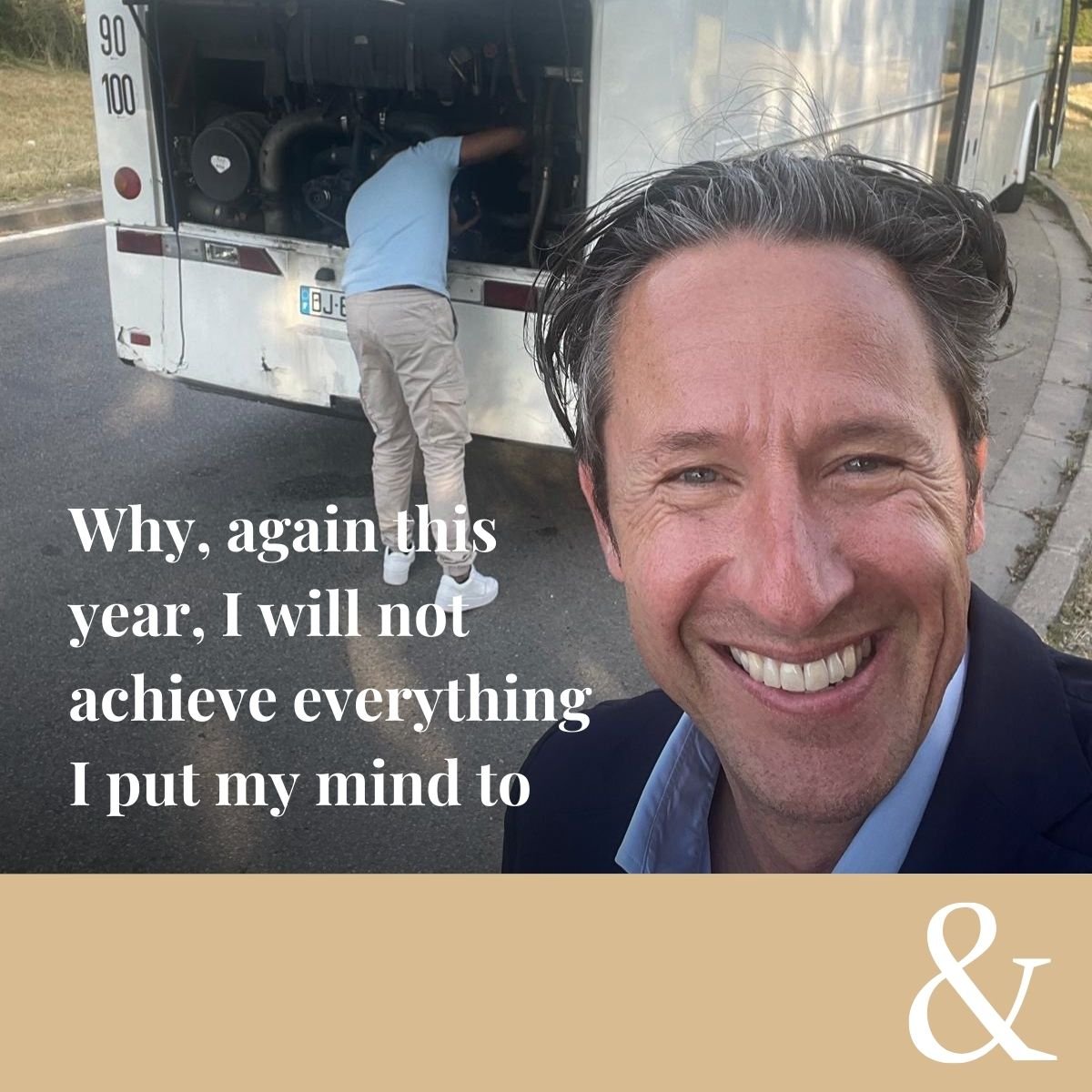
Why again this year I will not achieve everything I put my mind into
It is the beginning of a new year and high season of all the self-declared gurus, claiming to hold the key to our success in 2025. Whether it is by ice-water-bathing, biohacking or attending expensive motivation seminars, they bombard us with recipes to “achieve everything we put our minds to”. Besides the fact that these recipes are usually overly simplistic and sometimes bizarrely esoteric, the assumption that we should be able to achieve everything we put our minds to is flawed in the first place.